Software built to run for decades.
Kushawaha Group builds and keeps infrastructure software: GPU schedulers, governed AI brokers, agentless telemetry and zero-trust gateways.
Talk to the systems teamTry it: lower the ceiling, then send until the broker refuses.
research-agent
Inference broker · October
$8.42 spent of $10.00 monthly ceiling
- 09:41:07POST /v1/messages20028,670 tok · $0.43
- 09:39:52POST /v1/messages20019,330 tok · $0.29
We build the layers underneath.
Your models, products and teams run on top. Each layer below is software the group writes, ships and keeps running.
Your workloads run here
- AI that stays on budgetSigned requests, hard monthly ceilings, HTTP 429 when spent
- Zero-trust gatewaysClient identity headers stripped at the edge
- Agentless telemetryOne-second SSH probes, zero daemons on the host
- GPU schedulersCUDA, ROCm, Metal and Arc in one gossip cluster
| Five operating units | Discipline | Built with |
|---|---|---|
| Inference brokering | AI governance | Ed25519, HMAC, spend caps |
| GPU scheduling | Distributed compute | Gossip, single binary, no CGO |
| Agentless telemetry | Observability | SSH, sysfs, NVML, ROCm |
| Zero-trust gateways | Security | Header sanitising, signed tokens |
| Workforce platforms | Enterprise software | Offline-first PWA, IndexedDB |
- NVIDIA CUDA
- AMD ROCm
- Apple Metal
- Intel Arc
- Gossip discovery
- Single binary
- Zero CGO
- Ed25519 tokens
- HMAC attestation
- HTTP 429 ceilings
- sysfs probes
- NVML
- Zero agents
- Offline-first PWAs
Inside the systems
How each system works in production: what it runs on and what happens to a request.
Distributed systems
GPU scheduler
Under 15 ms median job handoff on a local network.
- Hardware
- NVIDIA CUDA, AMD ROCm, Apple Metal, Intel Arc
- Coordination
- Encrypted peer-to-peer gossip, no master node
- Footprint
- 21.4 MB single binary
- Handoff
- < 15 ms median
- Node starts the binary and finds peers over UDP gossip
- Driver probe reads VRAM and temperature from sysfs, NVML or Metal
- Queue moves the job to the lowest-latency free GPU
- Job runs in an isolated process sandbox
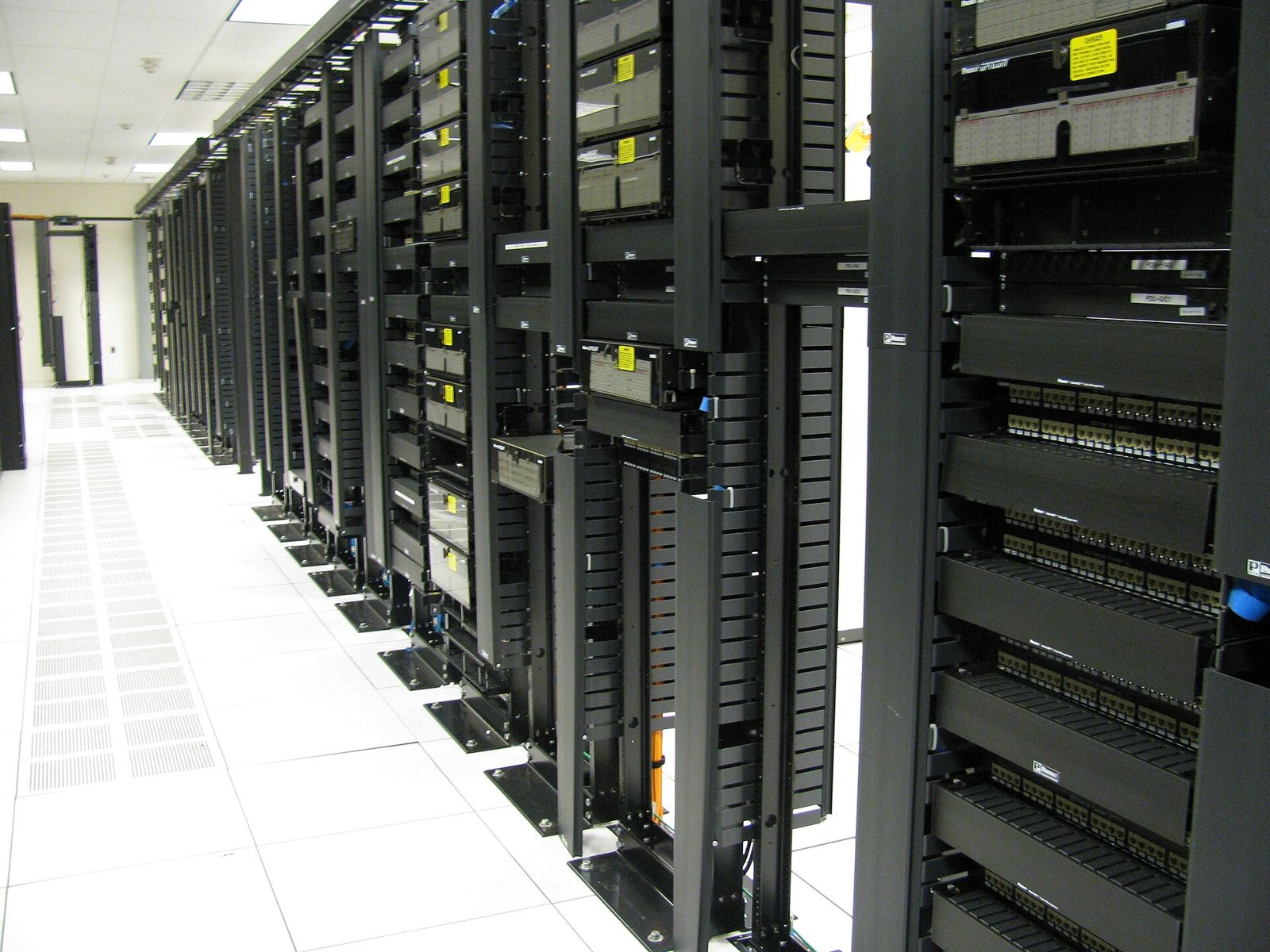
Owned for the long run.
How we hold
The group keeps every system it builds. The team that ships a scheduler or a gateway stays to run it, patch it and answer for it, with no exit plan and no rewrite every two years.
How we engineer
Single binaries, memory-safe languages, signed requests between services and hard ceilings on anything that can spend money. Each rule is written down as an RFC before it ships.
Research and writing
Every rule we ship is written down first: open RFCs and notes from the engineers who run the systems.